Dust, crush injuries and trauma can affect survivors even
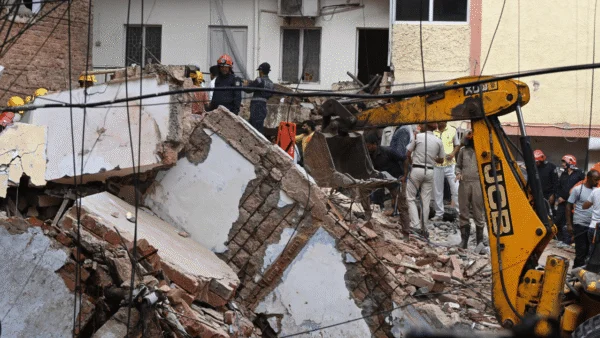
New Delhi: The rubble may be cleared, rescue teams may leave and the headlines may move on.
Official response and confirmed impact
But for people caught inside or living around a collapsed building, the health impact of a disaster can continue long after the concrete and twisted metal have been removed.
The collapse of a five-storey paying guest accommodation in Delhi's Satya Niketan on September 6 killed seven people and saw 12 others rescued from the debris.
The rescue operation continued for more than 27 hours.
For survivors and those exposed to the aftermath, the risks are not limited to visible injuries.
Dust generated by broken concrete and masonry can affect the lungs, crush injuries can have delayed complications, and the psychological shock of being trapped or witnessing deaths can persist for weeks or longer.
What happens when people breathe in collapse dust A building collapse can send concrete, cement, plaster, brick and other fine particles into the air.
Incident under investigation
Police are investigating renovation work and conditions in the basement, while authorities have also begun examining the safety of other buildings in the area.