
Q&A: How Can We Slow the United States’ Measles Outbreak?
As the United States faces its worst measles outbreak in decades, a panel of health experts from the World Health Organization (WHO) will meet this week to assess the latest data on the outbreak in the United States and determine if our country will maintain its measles elimination status.
Cases and health response
There are now 5,400 measles cases in the United States.
Among the areas hardest hit are Lancaster, Mifflin and Chester counties in Pennsylvania, which account for more than 800 of these cases.
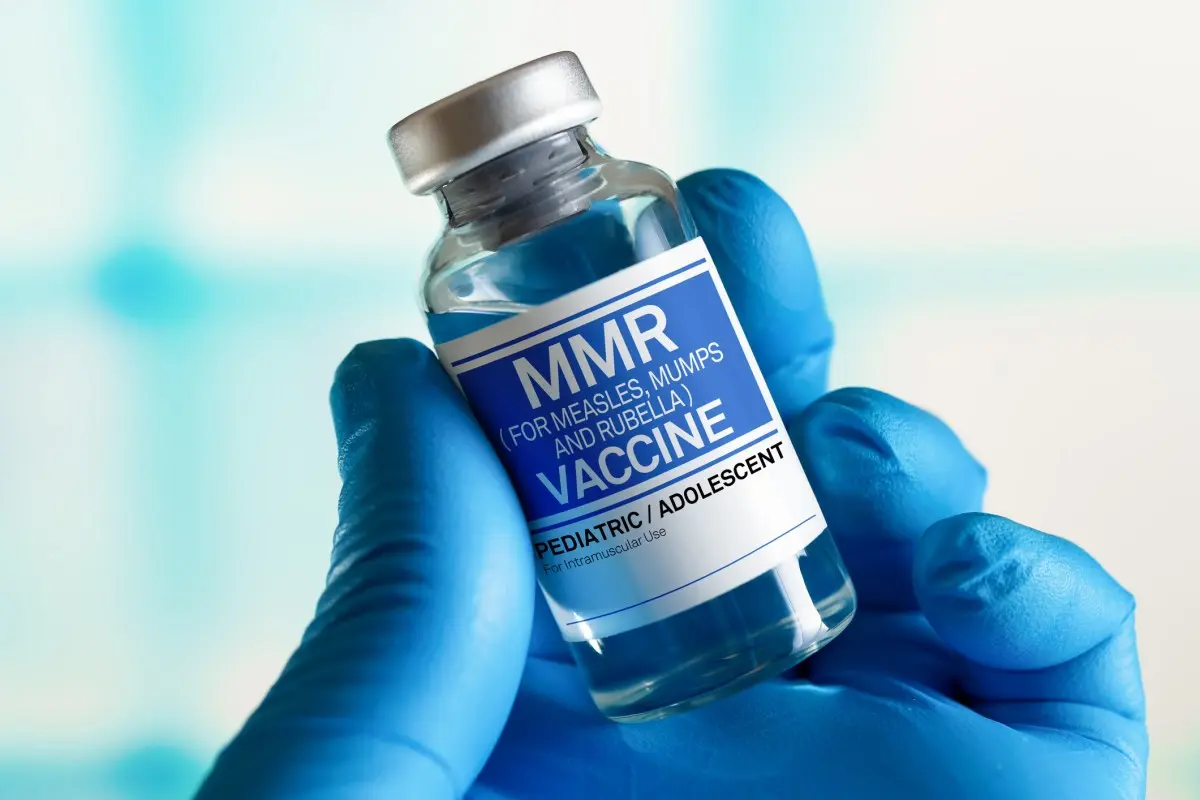
Responding to the current outbreak, the Pennsylvania Department of Health is now expanding its MMR recommendations, including adding an earlier dose for babies 6 to 11 months of age who will be in areas of continued community spread of measles.
The recommendations also include a shot for 1-year olds or older if they have not already done so, with a subsequent shot 28 days after the first jab for added protection.
Measles symptoms generally appear starting about week to two weeks after infection and start with red, watery eyes and flu-like symptoms, such as cough, runny nose and high fever.
A few days after that, small white spots known as Koplik spots may form in the mouth as well as a rash of small red bumps around the body that are the hallmark of the disease.
In rare cases, the disease can be life-threatening, particularly for unvaccinated people, pregnant women or those with weakened immune systems.
