
From fuel economy regulations to electrification pathways
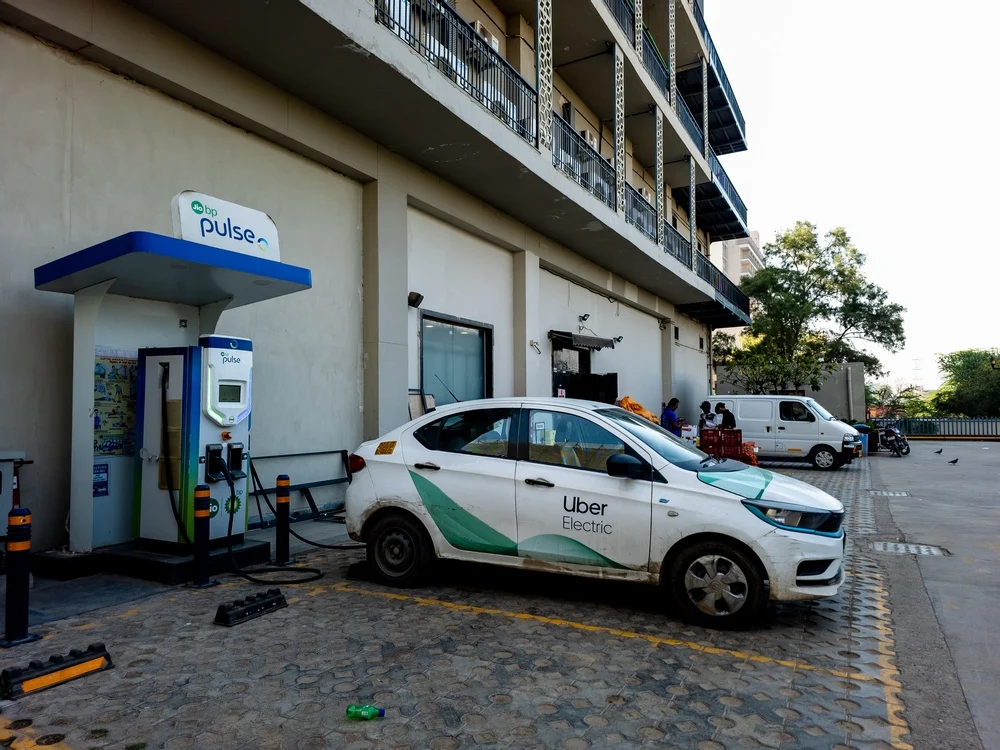
Stronger fuel-efficiency standards can act as a bridge to electrification as the scope for incremental ICE efficiency improvements narrows and BEVs become increasingly attractive for compliance.
Official response and confirmed impact
The analysis also highlights the importance of extending ambitious regulatory frameworks beyond passenger cars.
Passenger cars account for the largest share of battery demand in all scenarios.
However, the largest incremental increase under ambitious pathways comes from medium- and heavy-duty vehicles, particularly heavy-duty trucks, highlighting the importance of freight electrification for future battery supply chains and industrial planning.
Policy efforts could therefore continue to strengthen fuel consumption standards across vehicle segments while complementing them with measures that accelerate the deployment of zero-emission freight vehicles and supporting charging infrastructure.
What are CAFE standards, and why do they matter for EV adoption?
Corporate average fuel efficiency (CAFE) standards require manufacturers to meet a sales-weighted average efficiency target across their entire fleet, rather than model by model.
Incident background
Under the Aligned with Viksit Bharat pathway, oil consumption is projected to peak earlier and decline to approximately 146 MTOE by 2040, compared with 197 MTOE under BAU.
