
Meet the mosquitoes behind Tampa Bay’s dengue outbreak
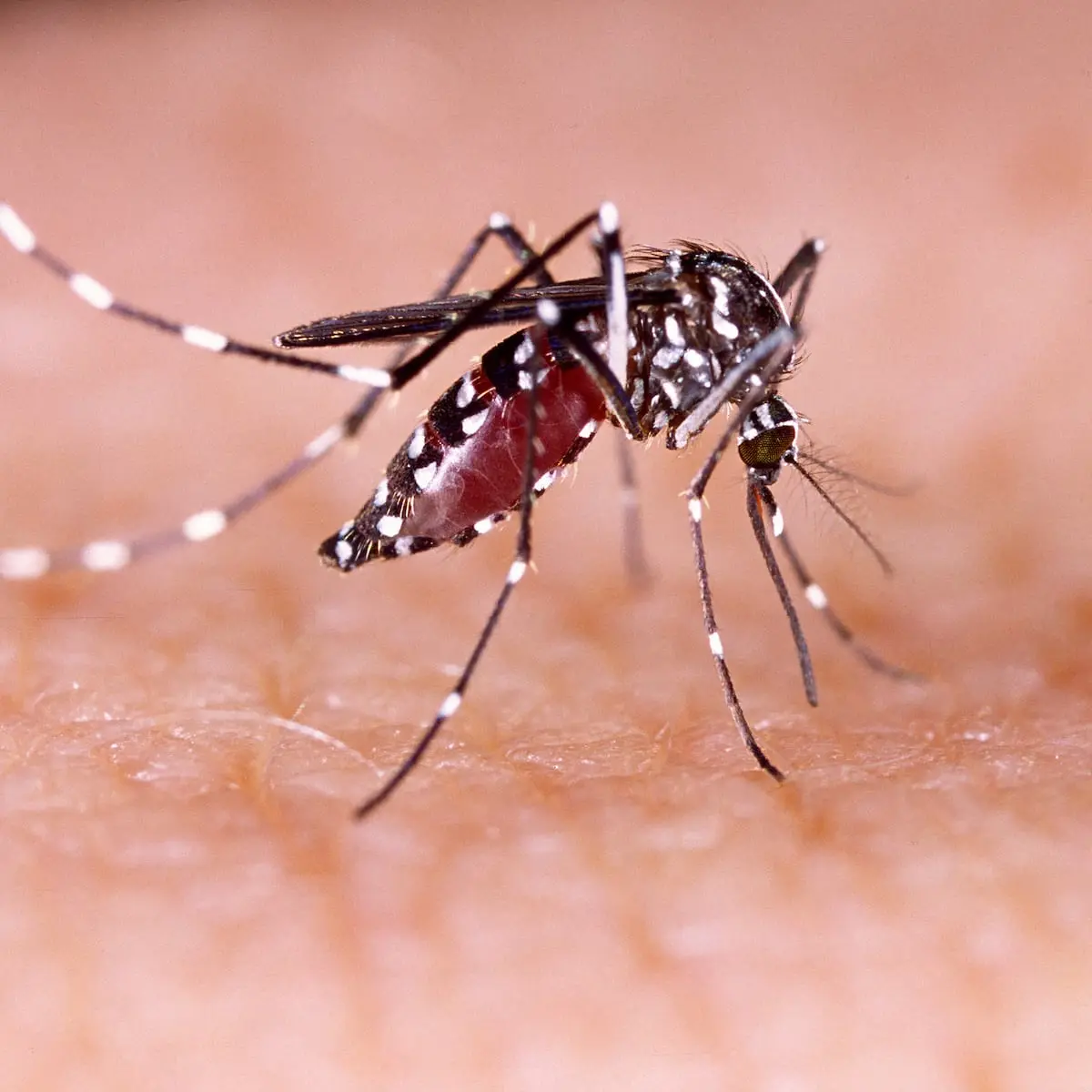
In yards and around homes , there is an insect sickeningly suited to spread disease across Tampa Bay, and it has done so at shocking rates this year.
Cases and health response
Uniquely, she attacks in the daytime when we least expect her. She’s clever, taking quick bites from ankles, making her less vulnerable to swatting hands.
When she’s plump with blood, she hopscotches from place to place, strategically laying a few eggs here and there — giving her babies the best chance of survival.
Those eggs, like little alien pods, can survive months without water.
Just a splash from rain eight months later can get them teeming with life, hatching dozens or hundreds more of her.
Meet Aedes aegypti — the mosquito behind Florida’s worst locally acquired dengue outbreak in a century.
She likely arrived in America centuries ago by boat, eventually killing more U.S. troops in the Spanish-American War than the enemy.
Unlike other mosquitoes that prefer the swamp or the woods, she enjoys city life and biting people instead of animals.
